
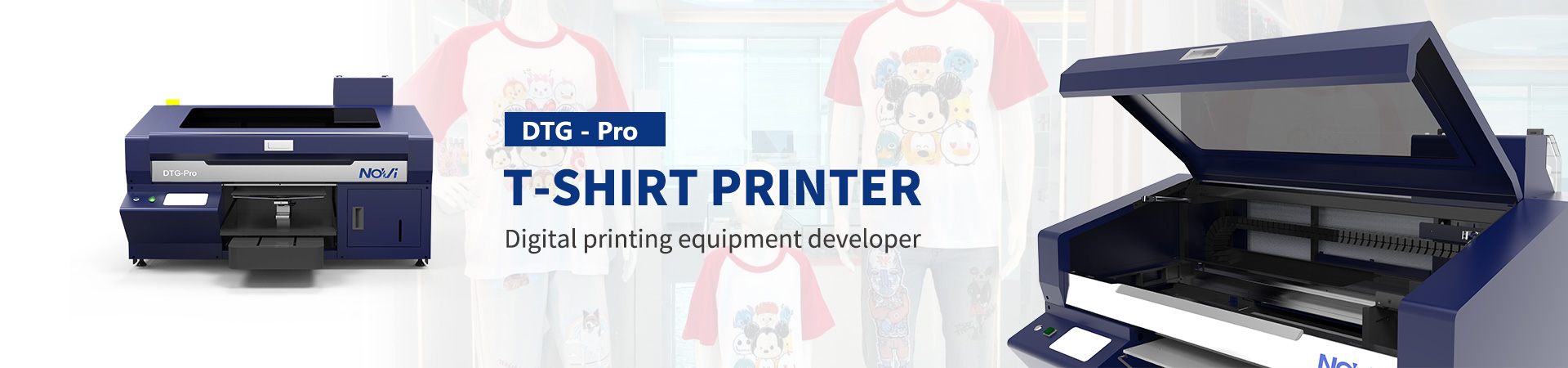
Heat Transfer vs. DTG- Which Graphic Printer is Ideal for Shirt Printing?
The world of custom apparel has evolved dramatically, and with it, a range of printing technologies have emerged. Two of the most popular methods for shirt printing are heat transfer and Direct-to-Garment (DTG) printing. Understanding the distinctions between these techniques is crucial for businesses and individuals who seek the best printing solution for their specific needs. This article aims to provide an in-depth comparison of heat transfer vs. DTG printing, highlighting their advantages, disadvantages, and suitability for various applications.
Print Quality and Resolution
Heat Transfer Printing
Heat transfer printing involves transferring a pre-printed design onto a garment using heat and pressure. The result is a vibrant, high-resolution print that can accurately capture fine details and gradients. However, the quality of the print heavily depends on the quality of the transfer paper and the precision of the heat press process.
Direct-to-Garment Printing
DTG printing, on the other hand, prints directly onto the garment using specialized inkjet technology. It allows for seamless blending of colors, producing photorealistic images and detailed designs. The print quality is consistent and often surpasses that of heat transfer printing, especially for complex, full-color designs.
Durability and Longevity
Heat Transfer Printing
Heat transferred designs typically have good durability and can withstand frequent washing and drying cycles. However, the adhesive used in the transfer process can sometimes weaken over time, leading to peeling or cracking of the print. The lifespan of the print also depends on the quality of the materials used.
Direct-to-Garment Printing
DTG prints are known for their exceptional durability. The ink penetrates deep into the fibers of the garment, creating a long-lasting bond. DTG prints are resistant to fading, peeling, and cracking, making them ideal for garments intended for frequent use or heavy wear.
Versatility and Customization
Heat Transfer Printing
Heat transfer printing allows for a wide range of design options, including full-color prints, metallic finishes, and specialty materials such as flock or glitter. However, it is limited to pre-designed transfers, which may not cater to all customization needs.
Direct-to-Garment Printing
DTG printing offers unparalleled customization possibilities. It can print directly onto a variety of fabrics, including cotton, polyester, and blends. The ability to print one-off designs, small batches, or personalized garments makes it ideal for businesses seeking flexibility and customization in their product line.
Cost and Efficiency
Heat Transfer Printing
Heat transfer printing is generally more cost-effective than DTG printing for bulk orders or large designs. The setup costs are relatively low, and the process is efficient for producing large quantities. However, the cost per print increases for small orders or complex designs due to the time and materials required.
Direct-to-Garment Printing
DTG printing has higher setup costs and a slower printing speed compared to heat transfer printing. However, the cost per print decreases as the quantity increases. DTG printing is more suitable for small orders, short production runs, or garments with complex designs that would be costly to produce using heat transfer.
Conclusion
The choice between heat transfer and DTG printing ultimately depends on the specific requirements and preferences of the user. Heat transfer printing offers cost-effectiveness and vibrant prints for bulk orders, while DTG printing excels in producing high-resolution, durable prints with exceptional customization capabilities. By understanding the strengths and limitations of each technique, businesses and individuals can make informed decisions and select the ideal printing solution for their shirt printing needs.
